Thursday, January 1, 2015

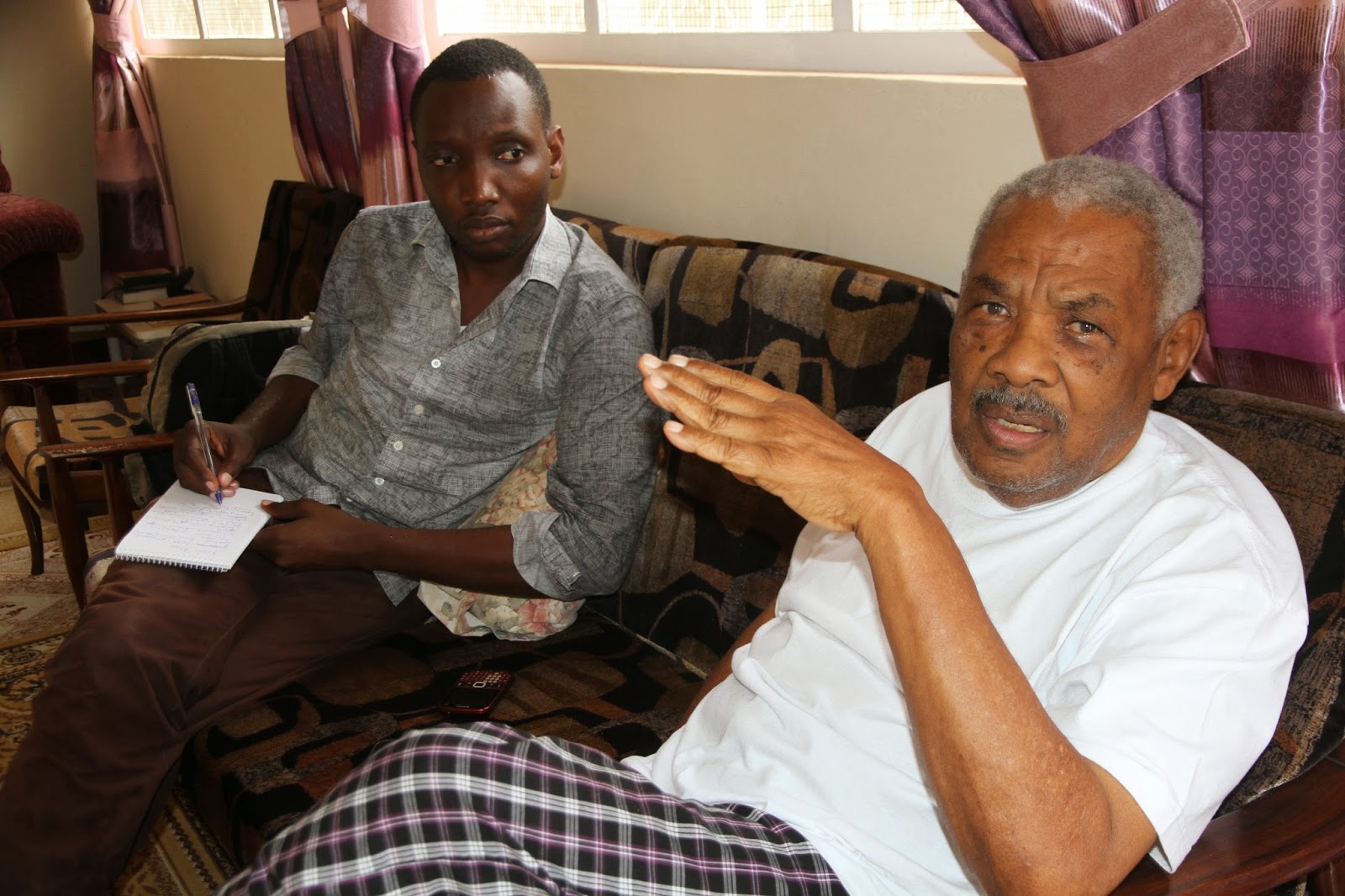
Financial Times Interview: Jakaya Kikwete in 2007


FT Interview: Jakaya Kikwete
Ten years of steady economic growth on the back of a boom in mining and rising tourism has placed Tanzania among a small group of African countries, beloved of development aid donors. This year gross domestic product growth is expected to top 7 per cent, buttressed by support from donors worth nearly 50 per cent of the budget. But this is still short of what the country needs to pull the majority of its people out of desperate poverty. President Jakaya Kikwete, the former foreign minister, was elected two years ago. He has sought since to give Tanzania a prominent role in regional affairs, and has been involved in efforts to resolve the crisis in Zimbabwe. William Wallis, FT Africa editor, and Tom Burgis, FT journalist, interviewed Mr Kikwete in Paris, on his way back to Tanzania from the United Nations General Assembly meeting in New York.
Financial Times: Tanzania’s economy is growing at about 7% and a little below that for the last ten years. But it’s generally perceived that this is not enough to begin to pull people out of poverty. How do you plan to reach the next step?
Jakaya Kikwete: It is true that, for the last decade I think the average growth rate has been 6.3% and this is not adequate…We need 8% to 10% growth sustained over a decade to make a significant impact on poverty. So what do we do about it? Right now this growth is actually generated by the mining sector, which has been growing at about 16% and construction by 10.6%. Manufacturing is 8.6% and tourism is close to 12%. I’m seeing great opportunity and possibilities in all these sectors. But I’m seeing more opportunity in the agricultural sector and in the mining sector.
FT: Agriculture has been the laggard. What’s holding it back?
JK: Why I’m saying that there is great opportunity is because agriculture is mostly subsistence agriculture, peasant agriculture…and therefore production is low and the incomes of the people definitely are very low. What we are trying to do now is embark on a green revolution…looking at increasing irrigated agriculture, increasing the use of high yield seeds…the use of fertilisers. The average use of fertiliser is abysmally low; it is eight kilos per acre. When you compare with the Netherlands where it’s 577 kilos per acre, so you can see why…the level of (production) is very low.
FT: Do you need to reform the land ownership laws to allow…?
JK: It’s not this. Land ownership has never been a problem. People have access to land. The peasants cannot complain about land ownership.
FT: But to access credit they need land titles as collateral for the banks?
JK: It’s not a problem of land ownership because owning land is also allowed. It’s only that they don’t have the titles. But this to us is not a critical problem. The other important thing is that they use pesticides and insecticides. We are looking at extension workers to train farmers…and then we are looking at the marketing structure. We are also looking at infrastructure, rural roads so that crops can get to the market. This is a whole package; you are looking at a seven-year programme. We are also trying to look at the fiscal incentives to give to investors.
FT: There’s some controversy about incentives that have been provided in the past, for example in the mining sector.
JK: In the mining sector, I don’t know if we’ve got a controversy…What became a problem is there was a clause that allowed investors to cover losses. As long as you made losses one year, you could carry them over to the next and to the next. And because of that they would pay no taxes. So this fellow takes all the gold away and he says he makes losses and so he does not pay us anything. So he is the only one that is being protected. Those of us who are losing our resources are not protected. This is the thing that created the kind of debate that we had and we had to renegotiate.

FT: The mining companies have all agreed to new terms?
JK: Yes, they agreed. It was logical.
FT: Are you satisfied with the £200,000 local levy that the mining companies have agreed to pay?
JK: Of course.
FT: Is that enough?
JK: Well of course if they could give more, well why not? I’d appreciate it…it’s (part of) corporate social responsibility. We are simply saying, you are making money out of this district. Well, make a contribution that is really going to impact on the lives of the people out here. You take all the minerals out and after the minerals have been depleted you only leave the holes on the ground; off you go. And then you leave the people in the districts to fall into the pits. So we are saying at least make that kind of contribution…
Of course the other sector that I see as a possible centre for promoting growth is the tourism sector. Certainly there are still opportunities to build more hotels along the beaches. There are still more hotels that can be built in the game parks; we have not yet exhausted that possibility.
FT: There’s a sense from what you’re saying of this tremendous potential in Tanzania. You have great agricultural potential, mining potential, tourism potential, but it’s taking a long time to realise this potential. What do you think is holding Tanzania back?
JK: I don’t know. Of course this is precisely the question that I ask every day, what is it that we have not done? I think we have been leading the continent in terms of attracting mining investments in the mining sector. But we are still working (on attracting investment to other sectors). Maybe the message has not quite reached home.
FT: Do you think you’ve fully shaken off the legacy of the socialist years?
JK: I don’t see that one as a problem any more. But, well, investments move from place to place from time to time. Maybe our time is soon coming.
FT: But if you look at agriculture so far and you say, this is the central driver of growth and it’s only 4.5% of investment. Surely you’re going to have to attract more to agriculture.
JK: Well, I know. But to me the most critical thing in agriculture is investing in the peasant agriculture, transforming peasant agriculture. Because if we succeed in transforming peasant agriculture, that will make a hell of a difference.
FT: Do you think you’re too dependent on aid?
JK: Of course to some extent, yes. But of course the aid dependence is coming down.
FT: It’s still nearly 50% of your budget.
JK: It has been coming down. It used to be about 50%, now it’s 45% last year, it’s 42% this year. Of course it is a function of us improving on collecting our own revenues. Because otherwise in terms of volume of aid, definitely in terms of money it has not been diminishing. But what has been increasing also is our proportion.
FT: Given the extent of donor support you could argue that your government has become more accountable to the donors than to your own people.
JK: That’s not true. Of course we are accountable to our own people. The issue really is about ownership of the development process itself. In the past, of course, we used to be in a situation where the donor knows best. Now there is greater ownership of the development process in the country. We design our own programmes, we take leadership. Of course the donors come in to support us, to complement our efforts. Our responsibility to the donors is about accountability; about how we use that money. If somebody gives you his money, definitely he will be interested in knowing how you spend the money. It’s not a question of being more accountable to them than to our people.
FT: If they’re putting that money into your budget, are they not concerned when they see a report like the Auditor General’s Report that says that millions of dollars are leaving the treasury without being properly documented?
JK: We are ourselves also concerned. I am the one who is more concerned about that, and taking the initiative. In the past you never knew about this; it was me who made this reportable to the general public, a public document and asked public officials to discuss the discrepancies…and make sure that they take correctional measures. There is improvement, but we need to do much more.
FT: You spend a lot of time travelling around Tanzania and going to rural areas. What do you learn on these trips about what people want from your government?
JK: I do that because it is part of my duty. The presidency is not an office job. If I only sit in the office in Dar es Salaam I’m not running the country. I visit the country to inspect development programmes, to inspect activities, to see how things are going, how the government agenda is being implemented, what are the teething issues. And some of these problems simply need my simple word. My simple word of do it, then it is done.

FT: Does it keep people on their toes if you suddenly spring up?
JK: Of course it does. But it also helps solve a number of those problems. For example there was a time I visited one of the lake provinces, Lake Victoria regions. I was keen on visiting an area that I’d not been to, I’d not visited during the campaign. So I said, I want to go to this place. And the officials were saying, no, don’t go, the road is very bad. And I said if the road is bad then I want the president to see that bad road. It was a really tough road; it was so bad. But I went there and I said to the officials, they have the money to do the road.
And I said, I’m going to inspect the road in the next six months; I think that it’s about next month that I’m going there. But I’m told the road is good now. The road has been done.
FT: But one man can’t sort out all these problems. You need a system that encourages this sort of initiative.
JK: Of course, the system is working. The officials are there. But there are some issue areas, issues which may appear so difficult to these officials to decide. It would only require my encouragement to them to take that decision.
FT: Do you perhaps need a more vibrant and oppositional political system to encourage renewal in the ruling party? Because at the moment, although notionally you’re a multi-party state, essentially the CCM is so dominant that you’re effectively a one-party state.
JK: I’m not sure. I’m not sure if you talk to the opposition, they would consider that to be an insult. They think they are doing a tremendous job.
FT: In terms of their representation though, it’s very slim.
JK: They have the voice to tell the other side of the story, which they do, they have that freedom. I think in that regard we are doing fine.
FT: Do you foresee a day when the ruling party hands over power to a winning opposition?
JK: That day may come. But I’m not seeing it coming soon. We are still strong enough; we’re still popular; I think we are doing the right things.
FT: But there are problems within the (ruling) CCM as well, aren’t there? As you know, Mr Hoseah (the head of the anti-corruption bureau) for example, is bringing charges against CCM MPs for vote buying. There are big problems of corruption within such a dominant party, aren’t there?
JK: There are problems. The important issue is, do we know that there are problems? Are we ready to take action? This has been one of the strong points of our party. It has been a dynamic party; it’s not stagnant. If you do something wrong, action will be taken against you…If people want to get into leadership through corrupt practices, through corrupt means, I think that’s detestable; we have to take action.
FT: A quick question on the BAE saga. Are you going to ask for compensation over the radar (sold in 2002 by Britain’s BAE Systems and the subject of investigations)?
JK: Yes, we will. Our people are still working on it, working with the Serious Fraud Office and let’s see what comes out of it.
FT: Mr Hoseah told me a few weeks ago that he plans to bring criminal charges in that case. If he can show that through corrupt practices Tanzania paid a vastly inflated price for a radar it didn’t really need, would you seek compensation for that?
JK: Well of course, if it comes out that way, definitely we will try to seek compensation. I don’t know who to ask for that compensation, but this has been my position all along.
FT: Presumably the company.
JK: Yes. Because when I was hearing these stories in the UK Parliament that it was overpriced and so on, I said, oh, this is good news. So if it has been overpriced then we need our money back. They cannot take money from a poor country. Then I was told, no, you can’t ask the British government because British Aerospace is private. I said, fine…I don’t know how to get the money, but if it is overpriced definitely we deserve to be paid, to pay the right price for it.
We will see how to go about it. That’s why we are quite keen on pursuing the matter, to follow it through the legal channels.
FT: Can we turn to the crisis in Zimbabwe for a moment? You’ve been involved in trying to find a solution there. Are you making any progress?
JK: When I convened this (August) meeting of the SADC (Southern Africa Development Community) heads of state I wanted us to discuss the situation in Zimbabwe…we wanted to give ourselves time to discuss the matter in greater detail.
FT: But all the time things are getting worse in Zimbabwe.
JK: I know. This is again the issue that we have been discussing. So the executive secretary (of SADC) has been on it; he has come up with recommendations which we looked at at the last SADC meeting in Lusaka and we agreed that ministers of the economy and finance look into what kind of interventions SADC can help with.
With regard to the dialogue, we gave it to South Africa to facilitate that. So they have been talking through all this time and President Mbeki gave us an update of their talking and their facilitation, but also their talking on their own in the country. So he says they are looking at the constitution; they are looking at issues related to security; issues relating to political parties, participation. They are looking into issues related to the media, freedom of the media. So they said they are still going on with the discussions and probably next month they will again report to us on how far they have got.
FT: There’s a perception in the outside world that the region has hasn’t been bold enough with Zimbabwe, that the priority among regional leaders is more to stand by President Mugabe than to try and do something about the state of Zimbabwe that is in large part his making.
JK: Tanzania is standing by the people of Zimbabwe, including President Mugabe. It all depends upon the perception. We do not subscribe to the idea of condemnation and so on. We subscribe to the idea of working with them, to get to a solution, because if you end up condemning him and insulting him, he will not listen to you.
You can condemn from London, from Washington and so on, it won’t help those positions. What we have been trying to do is really talk to them, because what we want here, because Mugabe is there, he is president, he has been elected. If Tanzania had simply said, stupid, you’re hopeless, a murderer, a violator of basic human rights; does that remove Mugabe from office? It doesn’t.
FT: Is removing Mugabe from office is part of the solution?
JK: Well, if you think the problems in Zimbabwe are only related to President Mugabe, if this is all the problem. Our approach has been, let’s make these people talk. What is it that we want there? We want to see the next elections on a level playing field, free and fair, peaceful…that will give the people of Zimbabwe the opportunity to choose a leader of their choice…this has been our approach. We have confidence that it will pay dividends.
FT: You’re probably getting tired of us by now, but I can turn to one other subject - the growing engagement of China in the continent?
JK: Yes.
FT: Do you think African leaders are making a concerted enough effort to ensure that Africa gets the best deal out of this new relationship?
JK: I would have been surprised if you had not asked that question, because everywhere I am, I am asked how about the Chinese. There’s a lot of sudden interest on the Chinese and Africa. You know, what is it that we are trying to do in Africa? Africa as a continent in pursuit of development, looks for development assistance, from Britain, from Sweden, France, The Netherlands, United States, from Canada, from China, from Japan.
FT: But the Chinese are acting on a different scale.
JK: I’m not sure that the Chinese are giving that amount of money, that much money, to the continent, when you compare with all that we are getting from the rest of the countries.
Our countries are looking for investments. We go out all over the place, and say: “Come to Kenya, the best place to invest, come to Tanzania, the best place to invest, come to Uganda, the best place to invest.” We do it in Britain, we do it in London, we do it in New York, and one of the things I’ve been doing there most of the time is talking to investors, we do it in Tokyo, we do it in Berlin, we do it Beijing.
Why China suddenly is a question? Of course, there has been the concern (from international financial institutions) that they may not be giving loans that are concessional, and the danger is these countries may go back into the debt, some of the countries that they have been forgiven their debts. This I found to be a valid point, maybe not with Tanzania, because we don’t have much in terms of this huge Chinese development assistance.
FT: Would you like more?
JK: Of course we would, we want to build roads, we have been negotiating with the Americans, for MCA (Millennium Challenge Account) there, to help us do the roads. If the Chinese can come there and help us do one of the roads, why not? We’ve been talking to the Swedes to help us with power. If the Chinese can come out also and join in and help us in the distribution, why not?
There is more investment from the UK than we have from China. There is more investment from Kenya than we have from China.
FT: But that isn’t the case in some other countries.
JK: I’m speaking in our case, and I don’t think they (the Chinese) have better friends in Africa than us. But when we compare to how much money we get, if we succeed, if the MCA is funded by the US Congress for Tanzania, it’s going to be $700 Million. It’s going to be huge, it may be a total of all the Chinese have been giving us all these years.
FT: Chinese money comes with fewer strings attached to it?
JK: They discuss no strings. There, the people, they don’t discuss anything.
You can’t beat the British, you’ve got to sit with them for hours. They talk about this, they talk about that, yes.
FT: The Chinese are easier to do business with?
JK: Yes. You know this is the other thing, you’re negotiating all these problems for several years, they will talk about that, about a newspaper, they will talk about an underage boy in prison (for example). 

He’s 17 and he raped a nine-year-old, and they ask: “Why do you lock him up?” And so I say, what do you do, this is a rape case, and they want to discuss, I spend so many hours discussing whatever it is this boy.
FT: This was with (Britain’s) Department of International Development (DFID)?
JK: No, no, it’s not DFID. It’s somebody else. I asked the Minister of Home Affairs, please give me information, is there something like this? He said, well yes, they gang raped a girl. So what do they want us to do? Release him? So that he can go and rape another one?
FT: Is this not a great example of the donors making you more accountable to them than to your own people?
JK: …These are challenges of development.

Saturday, October 25, 2014

Moyo: Nilimwangukia Maalim seif akubali matokeo ya uchaguzi 2010
  • Ashangaa Rais Dk. Shein na Rais Kikwete kumtenga
 
Elias Msuya aliyekuwa Zanzibar


Hivi karibuni Bunge Maalum la Katiba limekabidhi rasimu ya Katiba inayopendekezwa kwa rais Jakaya Kikwete na rais wa Zanzibar, Dk Ali Mohamed Shein.
 
Hata hivyo rasimu hiyo imepokelewa kwa hisia tofauti huku makada wa CCM wakiiunga mkono na wapinzani wakiipinga.
Kwa upande wa Zanzibar, siyo wapinzani tu wanaoipinga, bali hata wana CCM wanaojitaja kuwa na uchungu wa visiwa hivyo.
 
Akizungumza na mwandishi wetu hivi karibuni mjini Zanzibar, mwanasiasa mkongwe aliyeshiriki Mapinduzi ya Zanzibar ya Januari 12, 1964 Hassan Nassor Moyo anasema Katiba hiyo inapingana na Mapinduzi ya Zanzibar hivyo haikubaliki. Endelea….
 
Swali: Katiba inayopendekezwa imepiotishwa na sasa inapigiwa debe kuelekea kwenye kura ya maoni. Nini nafasi ya Zanzibar katika Katiba hiyo?
 
Jibu: Siwezi kujibu swali hilo juu juu tu, ila nitakupa historia ya muungano kati ya Tanganyika na Zanzibar. Siku ile ya Aprili 200, 1964 wakati Mzee Karume alipokuja kwenye Baraza la Mapinduzi la haraka haraka kwamba tumeshaungana.
Mmoja katika wajumbe wenzetu akiitwa Khamis Abdallah Ameir aliyekuwa mjumbe wa Baraza la Wawakilishi aliyekuwa upande wa Pemba. Akauliza, mbona Mzee Karume mambo haya ya haraka na jam,bo lenyewe kubwa hili? Wananchi wenyewe hawapo na wala mwansheria wetu hujamwambia ili atushauri?
 
Basi Mzee Karume alisema kama hamtaki mimi nitamrudishia Mwalimu Nyerere makaratasi yake. Sisi tukanyamaza kimya. Kwanza wakubwa zetu kina Seif Abdallah, Abdou Jumbe ambaye hata hivyo hakuwepo. Alikuwa amekwenda Pemba, Abdulrahman Babu alikuwa Indonesia wakati huo alikuwa ni Foregn Minister. Tulikuwepo watu wachache tu.
 
Sasa ikawa kina Seif  Bakari na Said Natepe kidoogo wakawa wanauliza kwa sauti ya chini, Sasa Mzee Jee yale mambo yetu tuliyopanga kuyafanya kwa mfano elimu ya bure, kuchukua ardhi, kufanya afya ya bure, kujenga majengo kwa ajili ya wananchi, itakuwaje?
 
Mzee Karume akasema yale tutayafanyia kwenye Serikali yetu wenyewe. Akasema wenzetu Serikali ya Tanganyika wanaitia ndani ya Serrikali ya Muungano, ndiyo kauli aliyoitoa.
 
Tukaona basi, maadamu Serikali yetu itakuwepo na wenzetu ndani ya muungano , basi ya nini?
 
Kati ya mwaka 1970 hadi 1971, kumbukumbu yangu haiku sawa kidogo hapo, kulitokea jam,bo kubwa sana wanangu. Mzee Nyerere aliwapeleka wanajeshi wa Zanzibar jkwenda Msumbiji kwenye mapambano wakati huop bado haijapata uhuru. Wakapanda meli ya Serikali ya Zanzibar.
 
 
Mzee Karume akapata habari, aliwachukua bila kushauriana na makamu wake. Akaambiwa, ‘hivi una habari kwamba wanajeshi wako wanachukuliwa kwenda kupigana vita nchini Msumbiji? Yeye akasema hana habari. Tena akasema ‘basi irejesheni hiyo meli’, kweli meli ikarejeshwa.
 
Mwalimu Nyerere akasikia kwamba wale askari uliowatuma Msumbiji wamerejeshwa. Akauliza, wamerejeshwa na nani?’ akaambiwa kuwa na Karume. Akaagiza Karume aitwe. Kweli ndege ikaletwa hapa kuchukua Karume.
 Walipokutana, Mwalimu akamuuliza kama kweli amewarejesha askari wale. Akajibu ndiyo, mimi si ndiyo msaidizi wako wa kwanza? Wale wanakwenda kupigana vita na ni watoto wa watu, mimi nitawajibu nini wazazi wao watakapouliza?
 
Mwalimu akaona kuwa ameteleza kama mtu mzima. Akakubali kusahuriana.
Baada ya siku nne au tano, Karume akaitisha Baraza la Mapinduzi. Akatuambia, yale mambo yaliyotokea juzi kama ndiyo mtindo ule itakuwa hatari. Leo watu wanakwenda vitani bila sisi kuwa na habari, si hatari hiyo?
 
Akasema kuna haja ya kufanya mabadiliko ambayo pia yamo kwenye hati za muungano. Tukataka ‘Foreign Affairs’ tugawane. Mabalozi wakichaguliwa watano huku, watano kule. Siyo kama leo kuna mabalozi 25 wa Bara pengine huku watatu tu.
La pili ni ulinzi, rais akitangaza vita akubaliane na rais wa Zanzibar na akubali. La tatu ni uhamiaji, la nne liwe fedha yaani kila upande uwe na fedha yake na la tano Polisi, kila mmoja na polisi wake.
 
Tukakaa kitako tukatengeneza barua rasmi. Sina hakika kama Aboud Jumbe alitia sahihi, lakini tukapeleka kwa Mwalimu tukitaka mabadiliko. Alishtuka sana, ikabifi aitishe Baraza la Mapinduzi na Baraza la Mawaziri, (two governments).
Ikaletwa ndege ya kijeshi tukaingia sote na kwenda Dar es Salaam. Lakini sisi tulitoka na msimamo kwamba kama Mwalimu Nyerere atazungumza hovyo hovyo basi ‘no more union’. Ndiyo msimamo wetu.
Serikali ya muungano ikatengeneza waraka rasmi na kila mmoja wetu alikuwa nao wakati wa kikao. Baada ya mkutano ule Mwalimu akamuuliza katume, ndiyo mnavyokata hivi iwe? Karume akamjibu, waulize hao wanaume.
 
Mwalimu alituuliza mara tatu, ndivyo mnavyotaka? Sisi tukajibu ndivyo tunavyotaka mabadiliko yafanyike kwenye muungano. 1964 hadi 70, tunataka mabadiliko.
Mwalimu mstaarabu, muungwana, siyo mtu wa barabarani wa kusukumwasukumwa tu. Akasema kama ndiyo mnavyotaka wakati wake bado haya mabadiliko. Yule mtu mzima mwenye busara. Tukasema basi makaratasi haya yakusanywe yakwekwe kwenye kabati hadi wakati mwingine na huo ukawa mwisho wa mkutano.
Tumeondoka huku tumekasirika lakini tukarudi tukiwa na furaha. Huo ndiyo uungwana, ndiyo uongozi, hapana kudharau mwenzako. Tunapokuchagua kuwa rais usidhani kwamba hakuna wengine wanaoweza kuwa hivyo. 
 
 
Swali: Kwa nini hamkuuliza huo wakati utafika lini?
 
Jibu: Wakati si ndiyo huu?
 
Swali: Kwa nini usiwe wakati ule mlipokuwa madarakani?
 
Jibu: Nimekwambia wakati ndiyo huu, aliyekuwa hai atasema aliyekufa basi. Tumetengeneza Katiba ya kudumu ya muungano mwaka 1977 na mimi nilikuwa mjumbe wa tume ile ya watu 20, mbona hayo madai hatukuyagusa? Si jumbe si nani, wote hatukugusa.
 
Swali: Kwa nini?
 
Jibu: Ndiyo nakwambia wakati wake bado na mtu mwerevu hagombani na wakati. Lakini leo Rais Jakaya Kikwete Mungu amempa subra akaona huu ndiyo wakati wa kuwa na Katiba mpya. Si lazila tupeleke mabadiliko yale yale lakini wapo vijana wataangalia hili na lile linalofaa.
 
Swali: Hivi karibuni wakati Rais Jakaya Kikwete akihutubia wakati wa kupokea Katiba inayopendekezwa, alisema wale ambao hawakuona mabadiliko katuika katiba hiyo wajue wakati wao bado. Huoni anarudia yale yake ya Mwalimu Nyrere?
 
Jibu: Ile ya Mwalimu Nyerere na hii ni tofauti. Unajua muungano huu umeletwa na Serikali mbili. Kwani wakati ule ASP haikuwepo? Kwani TANU haikuwepo? Kwa nini Mwalimu Nyerere asiitie kwenye vyama hivyo? Kwa sababu msingi wa muungano huo ulikuwa ni Serikali, ASP haikushauriwa wala TANU haikujua.
Tumekwenda hivyo hivyo mpaka tunatengeneza Katiba mpya ya mwaka 1977, 
 
Mwalimu alibadilisha ile kamati ya watu 20 waliounganisha vyama vya TANU na ASP kwa kazi nzuri tuliyoifanya. Alizungumza na na Jumbe, kwa nini tusiifanye kuwa kamati ya kutengeneza Katiba. Hakuna vurugu, hakuna chochote.
Japokuwa Mwalimu alisemwa kwamba kwa nini hakutengeza Baraza la Katiba (constitutional assembly) lakini sheria haikusema hivyo, imesema Baraza la kutengeza Katiba siyo watu fulani na fulani.
 
Ni kweli sisi ni wanachama wote lakini katika ile ‘spirit’ ya chama. Leo unachukua Baraza la Wawakilishi na Bunge la Muungano unawapa kazi hiyo? Halafu unawaambia wasifanye kwa misimamo ya vyama! Unataka kutudanganya sisi? Unatufanya sisi watoto wadogo?
 
Swali: Asingechukua wale angechukua watu gani?
 
Jibu: Kuna wau 50 milioni katika nchi hii, aina Fulani Fulani tunao katika nchi hii. Nenda kijijini huko utapata watu wasomi wastaarabu, wakulima wazuri  utapata tu. Sasa wewe unakwenda kuchukua Wabunge halafu unasema wasiingine mambo ya siasa?
 
Maana yake Rais kashindwa kuchukua khata katika wale 201, kachukua kwenye makundi ya vyama. Sasa vyama wanatumia nafasi zao na ndiyo mvutano wote huu mnaouona.
 
Lakini kama mnachagua wakulima, siyo hawa wasiojua kusoma, wapo walihitimu vyuo (graduates), mradi hatuna upungufu wa watu sisi hadi uchukue tu wa vyama tu.
Hayo ndiyo matatizo yake. Mbona Rais mwenyewe alileta? Kashindwa kujizuia, maana yeye ndiyo angejizuia. Katuambia kwamba yeye msimamo wake ni Serikali mbili, ndiyo msimamo wa CCM. Kavuruga nay eye ndiyo chanzo cha matatizo.
 
Mbona wakati wa Nyerere tumetengeneza Katiba na hakuna vurugu? Lakini kwa kufanya hivi sasa tumeanzisha mapambano. Mpaka sasa CCM msimamo wao ni Serikali mbili na wanawahimiza watu wao waende katika msimamo huo. Hii siyo Serikali ya chama. Chama kimepewa kuongoza siyo kutawala.
 
Sisi tumefanya mapinduzi, wenzetu wamemwondosha mkoloni sasa tuko huru. Chama tawala kinamtawala nani? CCM iko kuongoza nchi, tule, tulale, tupate dawa na afya. Siyo kutawala.
 
Kama lengo lilikuwa ni kutawala sisi watu wa ASP tusingekubali kuungana na TANU, kwa sababu haikuwa dhamira yetu hiyo. Sisi tumeshajitawala, tumtawala nani tena?
 
Swali: Kuna dhana au madai kwamba, Zanzibar hamjatimiziwa madai yenu, kama yale ya mwaka 1970-71. Namaanisha kuwa yale madai yenu hamkuyasimamia mpaka mwisho.
 
Jibu: Sasa utayasimamia vipi wakati hizi Serikali zinageuka kila siku? Ni Serikali za CCM lakini viongozi wanabadilika. Kama sisi wakati wetu tulileta hayo lakini sote hatuko Serikalini na wengine wameshakufa, hata waliopo akili zetu hazifanyi kazi. Labda Mzee Moyo tu utamkuta anazungumza vizuri, lakini mwende Mzee Ramadhani Haji, atasema hili ataliacha na kusema lile kule… Mwende Hamad Ameir… Aboud Jumbe anasubiri kufariki. 
 
 
Swali: Lakini wewe bado una nafasi ya kumshauri Rais wa Zanzibar, Dk. Ali Mohamed Shein?
Jibu: Kakataa kuonana na mimi. Unajua mimi ni mwenyekiti wa kamati ya maridhiano? Unajua kuwa nchi hii kuna wakati watu walitaka kuuana? Sasa leo unakuja rais unanikataa? Nitakuonyesha picha zangu siku ile Dk Shein anatangazwa mshindi
 
Siku hiyo nilipata habari kuwa Rais mstaafu Amani Karume ananiita nikaonane na maalim Seif (Seif Sharif). Kaja kijana hapa, Eddy Riyami saa 10 alfajiri siku ya kutangaza matokeo ya mwaka 2010, wakati niko nyumba ile kule. Akasema ametumwa na Amani Karume uende ukamwone Maalim Seif. Nikauliza, kuna nini, nikazungumze naye nini? Akasema hajui.
 
Nikamuuliza Eddy, jee tumeshashindwa? Aka-smile (tabasamu). Mimi mtu mzima nikaelewa. Nikasema siondoke mpaka nisali. Nikasali mpaka saa 11.30, tukaondoka na gari yake mpaka kule.
 
Kule tukaonana na Maalim Seif na vijana wengi wamekusanyika pale. Gari tuliiacha msikitini kule. Baadhi ya vijana wakaniuliza, ‘Moyo unakwenda kupigania Serikali yetu?’ Ndiyo mara ya kwanza naingia kwenye ofisi ya CUF, Mlandege pale.
 
Nikawakuta vijana wake mashaababi pale, Duni (Juma), Machano (Khamis), Jussa (Ismail), Al Haji, vijana wake wale anaowategemea. Maalim Seif akasema nimepata smu kutoka kwa Amani karume kuwa unakuja kuniona, maana nilitaka nikakoge. Nikamwambia ni kweli. Nikawatoa baadhi ya vijana nje. Yeye akabaki na Jussa na mimi na Eddy. Bahati nzuri Jussa ni mwanachama wa kamati yangu.
Nimemweleza Seif saa 1:30 ananitazama tu hasemi lolote. Mimi sisemi kwa kubabaisha, siyo mtu wa kubabaisha. Wala siogopi, sikuumbwa kuogopa mimi. Nimepigania uhuru wan chi hii tangu nikiwa mdogo wa miaka 22 kupitia vyama vya wafanyakazi.
Kwa hiyo sina hofu ya kuzungumza mambo ninayoyaamini. Wazungu wamenifunga mimi hapa, nikafukuzwa kazi kwa ajili ya nchi hii. Kwa hiyo inaniuma sana. Mtu asije akachezea kazi afikiri nitamwacha, no no no no!
 
Baada ya kumaliza nikamwambia, ‘aliyonituma ndugu yako Amani Karume kwamba matangazo yakitangazwa ya uchaguzi wenu wa rais, uheshimu yale matokeo.
Yale matokeo yatakayotangazwa na Serikali naomba uyaheshimu. Seif akasema kwa sababu umekuja wewe Moyo, nitakubali. Lakini tume yetu ya uchaguzi lazima tuifanyie mabadiliko huko tunakokwenda. Ndiyo kauli aliyoitoa. Hakuongeza chochote.
Nikamwambia Jussa pale apige fatah, akapiga, nikashika njia kuondoka kwenda Ikulu. Siku ile Amani (Karume) alilala Ikulu, hakulala kwake, maana mambo hayakuwa madogo, angalau kuna ulinzi.
 
Tena siku hiyo nilipiga suti ya Kaunda, wakati ule sina kisukari, nilikuwa shaababi. Aliponiona akasema, Moyo umeshakuja eeh? Anapiga mluzi maana hata baba yake alikuwa akifurahi hupiga mluzi. Basi naye amerithi kwa baba yake.
Nikamwambia ‘tayari’, akajibu eeeh tayari? Nikasema tena tayari. Akasema mimi nimekwambia Moyo umekuja hapa kufanya kazi, umekaa Tanga kule miaka saba, sasa Mungu kakuleta hapa kufanya kazi.Akampigia siku Seif pale mbele yangu.
 
Swali: Kwa maana hiyo unataka kusema kuwa Karume alikupigia simu ukazungumze na Maalim Seif kwa kuwa Dk. Shein hakushinda uchaguzi?
 
Jibu: Ndiyo maana yake, wewe ni mtumzima umeniuliza swali la kiutu uzim, ndiyo maana yake.
 
Swali: Je, Dk. Shein naye hakukuita?
 
Jibu: ndiyo maana nilitaka nikuonyeshe picha. (Anaonyesha picha akiwa anateta jambo na Dk. Shein huku upande mwingine akionekana mkewe Dk. Shein, Mwanamwema na nyuma yao ni maafisa wengine wa Serikali).
Hapa Bwawani (hotel) tumekwenda kusikiliza matokeo ya urais. Usiku walikuja askari wa Polisi wakasema, mzee unatafutwa uende Bosnia (kule kwa Maalim Seif, Maisara). 
 
Kumbe kule wameshaambiwa kuwa matangazo ya urais yasitangazwe mpaka Mzee Moyo awepo. Nikaendea mimi kule Maisara, nikakuta vijana wa Usalama wa Taifa wakanipokea na magari mawili tukaongozana mpaka Bwawani. Tumefika na kukaa, huyu mimi, yeye na mkewe.
 
Unaona hapo kwenye picha tunanong’onezana? Kila nikiiangalia hii picha namshukuru sana mpiga picha huyu amefanya kazi kubwa.
Alikuwa akiniuliza. Leo nasikia Rais Karume alikupigia simu asubuhi akasema utazungumza na Maalim Seif. Nikamwambia ni kweli alinituma na matokeo ya mazungumzo yetu utayasikia hapa. Mimi ni Mngoni, siogopi kitu. Basi yakatangazwa matokeo pale akawa ameshinda. Akatoa hotuba pale na wakasema ushindi huu ni wetu sote. Halafu anasema leo hanitambui!
Chaguzi ngapi zimefanywa hapa Zanzibar mimi nilikwenda? Lakini siku ile Amani alisema lazima Mzee Moyo  awepo. Kwa sababu anajua kazi yangu, nchi hii imetulia kwa sababu ya uongozi wangu.
 
Hii picha unayoiona ni kamati yetu ya maridhiano ambayo tulikwenda Ikulu kumtembelea Rais Shein. Hapa bado alikuwa akiitambua. Uchaguzi umefanyika hakuna mtu hata aliyevunjiaka ukucha.
 
Nilimwambia hii ndiyo kamati ya maridhiano, je tuivunje maana iliundwa na marais wengine. Akasema kwa nini muivunje na kazi mmeshafanya? Basi tukaondoka.
Mara ya pili tukaenda tena kupeleka taarifa ya kamati yetu. Akasema vizuri nitaisoma. Hajatuita mpaka leo. Mpaka katangaza hadharani kuwa haitambui kamati yetu… kasema hadharani, mimi mtu mzima siwe kumsingizia rais wangu.
Basi sisi hatuna haja naye, tunakwenda upande wetu na yeye upande wake, tutakutana tu.
 
Swali: Sasa turudi kwenye mchakato wa Katiba, nilikuuliza awali kama masilahi ya Zanzibar yamezingatiwa, maana hata Rais Shein alisema hivi karibuni kuwa Wazanzibari walishirikishwa?
 
Jibu; Mimi nasema hatukushirikishwa. Kuchukua makundi yale ya wajumbe wa Bunge Maalum la Katiba siyo kutushirkkisha. Muungano huu haukuletwa na vyama bali Serikali, wakakutana viongozi wetu ndiyo tukaungana.
Mimi naweza kumuuliza Dk. Shein kama alipata nafasi ya kuketi kitako na viongozi wenzake kujadili jambo hilo? Hawakuketi. Mimi nafasi yangu nimeonana naye mara tatu nikimwambia, kaa kitako mzungumze na wenzako ili mwe na msimamo mmoja. Anakujibu, tutaangalia bwana. Kwa hiyo Serikali yetu haina msimamo kama hili.
Kwa hiyo Serikali yetu inaburuzwa tu. Rais Kikwete akisema ndiyo naye anashauri tu, lakini hana lake pale.
Muulizeni siku moka kama aliwahi kupeleka ushauri kwa Kikwete?
 
Swali: Kama hali yote ndiyo hii, umeonyesha kutokuridhishwa, nini hatima ya Zanzibar?
 
Jibu: sisi tunaendelea kupambana hadi tutakapopata Katiba  inayoturidhisha.
 
Swali: Ni kweli mnapambana lakini iaonyesha wenzako unaowaacha kama vile hawapambani ipasavyo?
Jibu: Ni sawa, mimi nitaacha rekodi kwamba nilipambana kwa wakati wangu. Limefanikiwa, ahlan wasahlan, halikufanikiwa ahan wasahlan. Lazima niseme kwamba hivi ndivyo au sivyo tulivyokubaliana.
 
Swali: Kwa sasa umezeeka, nadhani umeacha vijana wanaofuata nyayo zako?
 
Jibu: Vijana gani? Si ndiyo hao ambao wanaangalia, jambo hili nilikubali au litaharibu ugali wangu?
 
Swali: Lakini Mzee, pengine vijana hawa au hata Dk Shein anaogopa kukutwa na yaliyompata Abdou Jumbe?
Jibu: Sawa, lakini Jumbe alipofanya mambo yale hakutaka ushauri wa mtu.yale mambo aliyakosea. Miminilikuwa Waziri wa Mambo ya Ndani mwaka 1978 na nilimshauri Jumbe lakini hakukubali. Nilimwandikia barua na ipo kwenye faili langu hili na yeye alinijibu. 
 
 
Swali: Katika huu muungano, unalionaje hili suala la Serikali ya Tanganyika kuwa ndani ya Serikali ya Muungano?
 
Jibu: Hili ndilo linaloleta matatizo, kwa sababu wakati ule ubaya wake hatukuujua, tulisema hewala. Kumbe kulikuwa na siri alikuwa akiijua Mwalimu Nyerere na ndiyo inatusumbua. Watu wameshikilia hivyo hivyo, kwani mambo hayabadiliki kama Quran?
Tunasikia kuna kamati za kutatua kero za muungano. Hazisaidii kwa sababu haipo ndani ya Katiba wala haina madaraka, wanadanganyana tu.
 
Swali? Umesema kuwa kwa sasa huwezi kukutana na Rais Shein, vipi Rais Kikwete, hamwezi kukutana mkashauriana haya?
 
Jibu: Nikutane naye wa nini? Sawa nikikutana naye nitamsalimia tu lakini kwa sasa sina haja naye. Kwa sababu hata nikimshauri hatakubali.
Ngoja nikwambie moja, nchi hii tulikuwepo wazee kama vile Mzee Mtandika marehemu, Mzee Nyamka, Pancras Ndejembi, Mzee Mkali, Hassan Moyo, Said Natepe na aliyekuwa Mwenyekiti wa CCM mkoa wa Tabora. Wazee hawa tulijikusanya kwa uchungu wa nchi yetu na kwenda kuzungumza na mwalimu Nyerere miaka ya 1981.
 
Tulipojikusanya mwalimu alisema tumefanya jambo zuri sana na akatutia moyo. Ikawa kama kuna jambo tunataka kuzungumza na rais basi tunakwenda tunazungumza na kushauriana. Alitutumia alipokuwa rais na hata alipostaafu.
 
Baada ya Mwalimu Nyerere, akaja Ali Hassan Mwinyi, tukajitambulisha naye akatupokea. Alipomuuliza Mwalimu akasema watumie wazee hao watakusaidia. Kuna wakati Mwalimu alitaka kumlipua Mwinyi hadharani kutokana na lile suala la OIC (Jumuiya ya nchi za Kiislamu). Alitaka kuja kufanya mkutano pale uwanja wa Jangwani.
 
Tukaenda Butiama kumwona Mwalimu Nyerere. Akauliza mbona mmekuja usiku na mimi sina habari. Basi tulikaa nyumbani kwake akawatoa wajuu zake kwenye chumba chao na kutulaza sisi kwenye vitanda vya ‘double decker’. Hakutaka kabisa tukalale hotelini, mtu mwungwana sana yule. Mtapata wapi mtu kama Yule?
 
Tukafanya safari nyingine kwenda kumhani baada ya kufiwa na kaka yake, wakati huo akiwa ni kiongozi wa South South. Mama Maria alitaka kutulaza chumbani kwake lakini tulikataa. Mwalimu Nyerere alikuwa amekwenda Marekani. Mtapata watu kama wale wapi?
 
Kwa hiyo tulipita utawala wa Mwinyi, tukaja utawala wa Mkapa, naye akatutambua vizuri tu. Kutoka huyo akaja Rais Kikwete.
Tulikutana na kijana wake (anamtaja) ambaye ni msiri wake. Huyo akamwambia Rais Kikwete kuna wazee hawa wamekuwa wkishauriana na marais mambo mbalimbali. 
 
Naye akakubali. Nikawaambia wenzangu na tukafanya mawasiliano naye.
Ile safari ya kwanza ya Marekani ambayo Rais Kikwete liifanya akiwa rais, alimpigia simu kijana wake na kumambia kuhusu sisi na kwamba akirejea atatuona. Kweli naye alikuja kutujulisha.
 
Basi aliporudi akatuita Dar es Salaam, mimi, wa Dodoma, wa Tabora, wa dare s saam na wengine wameshafariki. Tukafikia katika hoteli moja hapo, ilikua tukutane saa tatu asubuhi. Basi ikawa kazi yetu ni kuhesabu saa tu, tumekuja kuonana naye saa 2;30 usiku, maana hata kwenda kukojoa huwezi maana unaogopa ukisikia unaitwa na rais.
Basi tukachukuliwa na kwenda nyumbani kwake usiku ule. Hata kama alitupikia wali basi tuliula ukiwa na baridi vile vile. Tukajitambulisha na kueleza malengo yetu na yeye akakubali kuwa ni mazuri.
 
Tuliondoka pale saa 5 usiku na alitupa Sh1 milioni kila mmoja, akifikiri kuwa tumefuata pesa pale. Alhamdulillah tunamshukuru hatuachi kutoa shukrani. Lakini ule ndiyo ulikuwa mwisho wa kuonana. 
 
 
Tuliwahi kuomba tena kukutana naye, lakini alimtuma kijana wake aje kutusikiliza akisema kuwa rais ana kazi nyingi. Tukamweleza mambo yetu.
 
Safari ya tatu, akaja tena Yule kijana akiwa na maelezo yale yale. Tukamweleza mambo yetu kisha tukarudi hotelini. Mimi nikawaeleza wenzangu kuwa, sitakuja tena kwa kuwa rais hataki kuja kutuona. Yale maneno tuliyomweleza mara ya kwanza hakuyapenda. Akufukuzaye hakwambii toka, utaona tu matendo yake. Hatujawahi 
 kurudi tena.
 
Hayo ndiyo matatizo ya viongozi wetu wa sasa, hawataki kukaa na kushauriana na wazee kuhusu mambo ya nchi. Pengine kuna wazee wengine wanaomshauri, siyo lazima tuwe sisi.